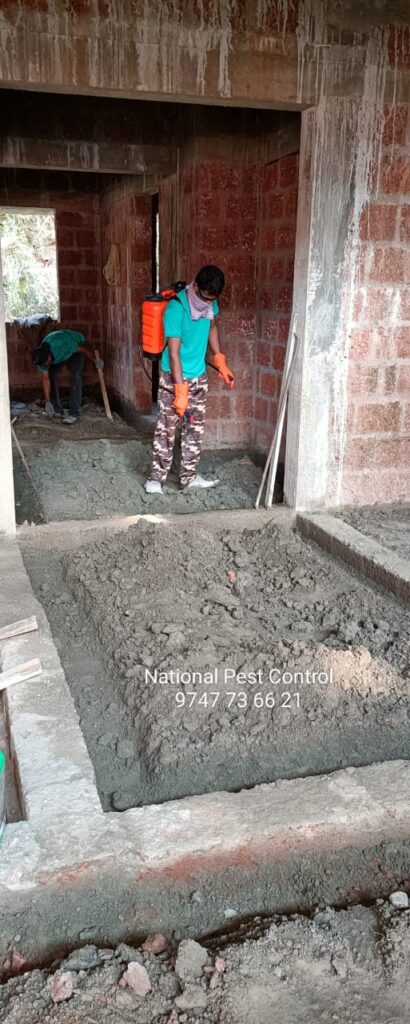
Pest control refers to the management or regulation of species defined as pests, usually because they are perceived to be detrimental to human health, the environment, or the economy. Pests can include insects, rodents, birds, fungi, and other organisms that interfere with human activities.
Here are some common methods and approaches to pest control:
- Chemical Control:
- Insecticides: Chemicals designed to kill or repel insects.
- Herbicides: Used to control unwanted vegetation.
- Rodenticides: Targeted at rodents like rats and mice.
- Biological Control:
- Predators and Parasites: Introducing natural enemies of pests to control their populations.
- Bacteria and Viruses: Some microorganisms can be used to target specific pests.
- Cultural Control:
- Crop Rotation: Changing the type of crops planted in a specific area to disrupt pest life cycles.
- Proper Waste Management: Disposing of waste properly to prevent pest infestations.
- Mechanical/Physical Control:
- Traps: Devices designed to capture or kill pests.
- Barriers: Physical obstacles that prevent pests from reaching a particular area.
- Integrated Pest Management (IPM):
- A holistic approach that combines various pest control methods to minimize environmental impact while effectively managing pest populations.
- Organic Pest Control:
- Relies on natural substances and methods to control pests, avoiding synthetic chemicals.
- Hygiene Practices:
- Keeping living and working spaces clean to eliminate potential habitats for pests.
It’s essential to choose the appropriate pest control method based on the specific pest, the environment, and the desired level of control. Additionally, sustainable and environmentally friendly approaches are becoming more popular to minimize the impact on ecosystems and human health. Professional pest control services can provide expertise in identifying and managing pest problems.